Exterior Shutters: Style & Weather-Resistance for Louisville Area Homes
November 23, 2025
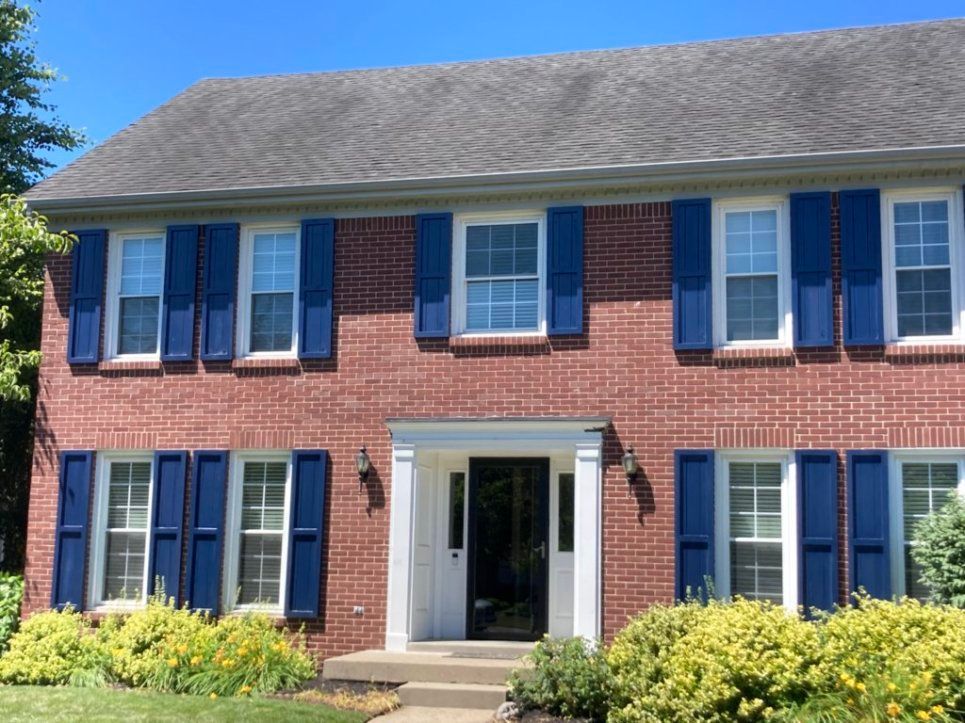
Exterior shutters have always played a role in defining the character of Kentucky homes. In the Louisville area—where architectural styles range from historic Highlands brick homes to newer builds in East End neighborhoods—shutters contribute not just to curb appeal, but also to comfort and weather protection.
However, not all
exterior shutters are made to handle Kentucky’s climate. Between humid summers, freezing winters, and occasional heavy storms, selecting shutters that are both
stylish and weather-resistant is key to long-lasting value. This guide explains what makes exterior shutters durable, how they enhance home design, and what to consider when choosing the right type for Louisville-area homes.
What Exterior Shutters Do (Beyond Appearance)
Exterior shutters serve both aesthetic and functional purposes. Understanding both sides makes it easier to select a shutter that performs well year-round.
Visual Impact and Home Identity
Exterior shutters help:
- Create visual balance across the façade
- Highlight window openings
- Reinforce the architectural style of the home
A traditional home may call for raised-panel or louvered shutters, while more modern homes often suit cleaner, board-and-batten or flat-profile styles.
Weather Protection
In Louisville’s climate, exterior shutters support the home’s envelope by:
- Reducing direct sun exposure on window glass
- Helping regulate seasonal heat gain
- Offering a layer of storm protection depending on material
- Protecting window frames from warping or moisture damage
They aren’t just decorative additions—they can play a real role in seasonal comfort and durability.
Material Choices and Their Performance in Louisville Weather
Exterior shutter durability comes down to material selection. Each material behaves differently when exposed to Kentucky’s humidity, temperature shifts, and precipitation. Below is a breakdown of the main material categories and what they offer.
Wood Shutters
Wood shutters offer the most traditional and authentic appearance. However,
not all wood is equal.
Hardwoods like cedar and mahogany perform better outdoors than pine because they resist moisture and insect damage.
Best for:
Homeowners prioritizing authentic craftsmanship and historical accuracy.
Considerations:
Requires sealing and occasional refinishing to prevent warping.
Composite / Engineered Wood Shutters
Composite shutters mimic the look of wood but are made from engineered materials designed to resist moisture, swelling, rot, and cracking.
Best for:
Homes that want a wood appearance without the maintenance.
Performance Strength:
Handles Louisville humidity well and maintains shape over time.
Vinyl Shutters
Vinyl shutters are lightweight and budget-friendly. They resist rot and moisture but may warp under extreme sun exposure or heavy storm activity.
Best for:
Decorative applications on shaded exposures or budget-conscious upgrades.
Considerations:
Less durable than composite or high-grade wood.
Aluminum or Fiberglass Shutters
These are the most weather-resistant options, designed to withstand heavy rain, high winds, and full sun.
Best for:
Homes needing maximum durability or in areas exposed to strong storms.
Look:
Sleek, clean, and minimal—fits both traditional and modern exteriors.
How to Choose the Right Exterior Shutter Style
Style selection ensures shutters enhance—not compete with—your home’s architecture. Here’s a clear decision path:
- Match the shutter style to the home’s architecture.
- Colonial / Historic → Raised panel or louvered
- Craftsman / Farmhouse → Board-and-batten
- Contemporary → Flat-profile composite or fiberglass
- Scale shutters to the window size.
Shutters should visually appear as if they could fully close over the window—even if they don’t. - Select color based on contrast or blend.
Louisville brick homes often look best with contrasting shutters, while modern exteriors may use tonal blends. - Decide whether the shutters are functional or fixed.
Functional shutters require the hardware to match (hinges, tiebacks, etc.).
Weather-Resistance Features to Look For
To ensure shutters hold up in Louisville’s climate, look for:
- UV-resistant finishes to prevent fading
- Moisture-sealed edges to avoid swelling or peeling
- Corrosion-resistant hardware (especially in humid or storm-prone areas)
- Impact-resistant construction if storm durability is a priority
Exterior shutters are only as strong as the hardware that mounts them, so brackets, screws, and hinges matter just as much as panel material.
FAQs
- Do exterior shutters need to be operable to be effective?
No. Fixed shutters can still provide insulation and shading benefits, but operable shutters allow for storm and seasonal adjustments. - Can exterior shutters fade in Kentucky sun?
Yes, unless they are finished with UV-resistant coatings. Composite and fiberglass options hold color longer than raw wood. - How long do composite shutters last?
High-quality composite shutters can last 20+ years with minimal maintenance. - Are shutters purely decorative in modern homes?
Not necessarily. With the right material and mounting, they contribute to energy performance and weather protection. - What color works best with Louisville brick homes?
Deep greens, blacks, slates, and rich neutrals typically complement local brick tones well.
Conclusion
Exterior shutters offer a blend of style and performance that can significantly enhance Louisville-area homes. By selecting the right material, style, and weather-resistant finish, homeowners can achieve a look that elevates curb appeal while providing practical benefits like shade control, heat moderation, and durability against seasonal weather conditions.
The key is choosing shutters designed specifically for Kentucky climate performance, not generic house trim. With thoughtful selection and
proper installation, exterior shutters become a lasting part of your home’s character and comfort.