Custom-Shaped Window Treatments: Tips for Arch & Bay Windows
November 30, 2025
Arch and bay windows are architectural features that add character, dimension, and natural light to a home. In many Lexington-area homes, these windows are focal points in living rooms, dining rooms, and entryways. However, their unique shapes can make them difficult to cover effectively. Homeowners often worry about blocking the elegance of the window or dealing with treatments that look forced or out of place.
This guide explains how to choose window treatments specifically designed for
arched
and
bay windows—so you can control light and privacy while still showcasing the style that makes your home unique.
Why Custom-Shaped Window Treatments Matter
Standard blinds or shades are designed for rectangular openings, which means they don’t naturally fit windows with curves, angles, or depth variations. Proper custom treatments work with the window shape, not against it.
Benefits of Custom-Fit Solutions
Before choosing a style, it’s helpful to understand what proper customization provides:
- Preserves architectural character instead of covering it up
- Ensures proper functionality, especially in hard-to-reach areas
- Prevents gaps that allow glare or reduce privacy
- Improves indoor comfort by managing heat and UV exposure
- Creates visual cohesion, which elevates the entire room design
Custom design is not just about measurement—it involves matching style, mechanics, and material to the window’s form.
Best Treatment Options for Arched Windows
Arched windows are known for their curve or half-round design. The goal is to highlight the shape while gaining light control.
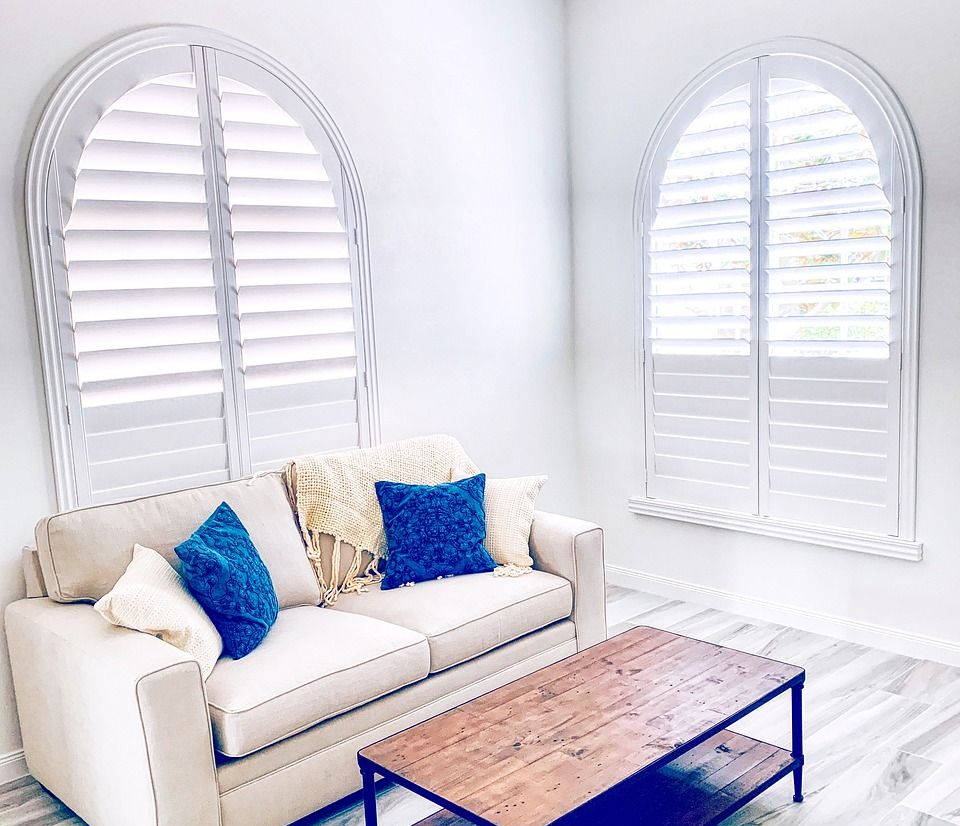
Custom Interior Shutters
Interior shutters are one of the most effective treatments for arched windows because they are made to match the exact shape of the arch.
Why they work well:
The shutter frame is crafted to mirror the curve of the window, ensuring a seamless fit that looks intentional and built-in.
Best suited for:
- Entryways
- Living rooms with cathedral ceilings
- Staircase landings
Light-Filtering Cellular Shades (Honeycomb Shades)
These shades can be custom-cut for arch shapes and are ideal when temperature control is a priority.
Performance advantage:
The cellular structure helps insulate the window—useful for Lexington’s seasonal temperature shifts.
Decorative Sunburst Designs
Some shutter and shade options include sunburst-style louver arrangements that radiate outward from the curve. This preserves the arched look while adding a handcrafted finish.
Best Treatment Options for Bay Windows
Bay windows consist of three or more windows angled outward to create depth. The challenge is treating each window while maintaining a smooth, unified look.
Roman Shades
Roman shades are a strong match for bay windows because they soften the angular structure and bring a warm, elegant texture into the space.
Why they fit:
They sit close to each window, preventing visual clutter and maintaining easy operation.
Roller Shades
Roller shades work especially well for bay windows in modern or minimal interiors.
Performance detail:
They provide light control and privacy without adding visual bulk, allowing the window form to remain clean and unobstructed.
Plantation Shutters
Custom shutter panels can be constructed for each window section, creating a tailored architectural finish that appears built-in.
Additional advantage:
Shutters offer strong durability and precise control over light and privacy.
Key Considerations When Choosing Treatments for Arched & Bay Windows
To make confident decisions, it helps to evaluate the window’s placement, purpose, and daily use.
Consider Light Direction and Exposure
Rooms with south or west-facing windows receive stronger sunlight and may need:
- UV-resistant finishes
- Light-filtering or insulating fabrics
- Shutters that allow adjustable glare control
Think About Privacy Needs
Spaces like dining rooms and entryways may require privacy during specific times of day. Choose adjustable treatments rather than permanent coverings.
Evaluate Operation Convenience
If windows are tall or difficult to reach, consider motorized shades or tilt-control shutters that allow easy adjustment.
Match Style to Room Aesthetic
Traditional homes may lean toward shutters or Roman shades, while modern spaces often pair well with roller or cellular shades.
Step-by-Step Process for Selecting the Right Custom Treatment
Use this guided approach to simplify selection:
- Identify the role of the window.
Is it decorative, functional, or both? - Assess how much light the room receives and when.
This defines whether you need blackout, room-darkening, or light-filtering fabrics. - Determine the primary privacy need.
Street-facing and first-floor windows typically need more privacy control. - Select materials based on maintenance preferences.
Fabric, composite, or wood options each require different care levels. - Choose the operating method.
Manual vs. motorized—especially important for high or hard-to-reach windows.
This process keeps design choices efficient and visually cohesive.
FAQs
- Can you cover an arch without losing the shape?
Yes. Custom shutters and cellular shades can be designed to follow the curve, preserving the window’s form. - Are custom-shaped treatments expensive?
They typically cost more than standard treatments due to custom fabrication, but the improved fit and longevity often justify the difference. - Do bay windows always require three separate treatments?
They can, but cohesive design ensures they operate and appear unified. - Will these treatments block too much light?
No. Light-filtering and adjustable options maintain brightness while reducing glare. - Can custom shapes be motorized?
Yes—many cellular shades and roller shades for angled or specialty shapes can be motorized for smooth operation.
Conclusion
Custom-shaped window treatments allow arch and bay windows to look intentional, elegant, and functional. Instead of covering or obscuring the unique shapes, the right treatments highlight the architecture while managing light, privacy, and comfort.
By choosing materials and designs suited to the room’s purpose, lighting conditions, and style, homeowners can achieve a balanced, beautifully finished look that enhances the entire home.