Can New Window Treatments Actually Lower Your Energy Bill?
June 28, 2026
Your Windows Are Losing More Energy Than You Think
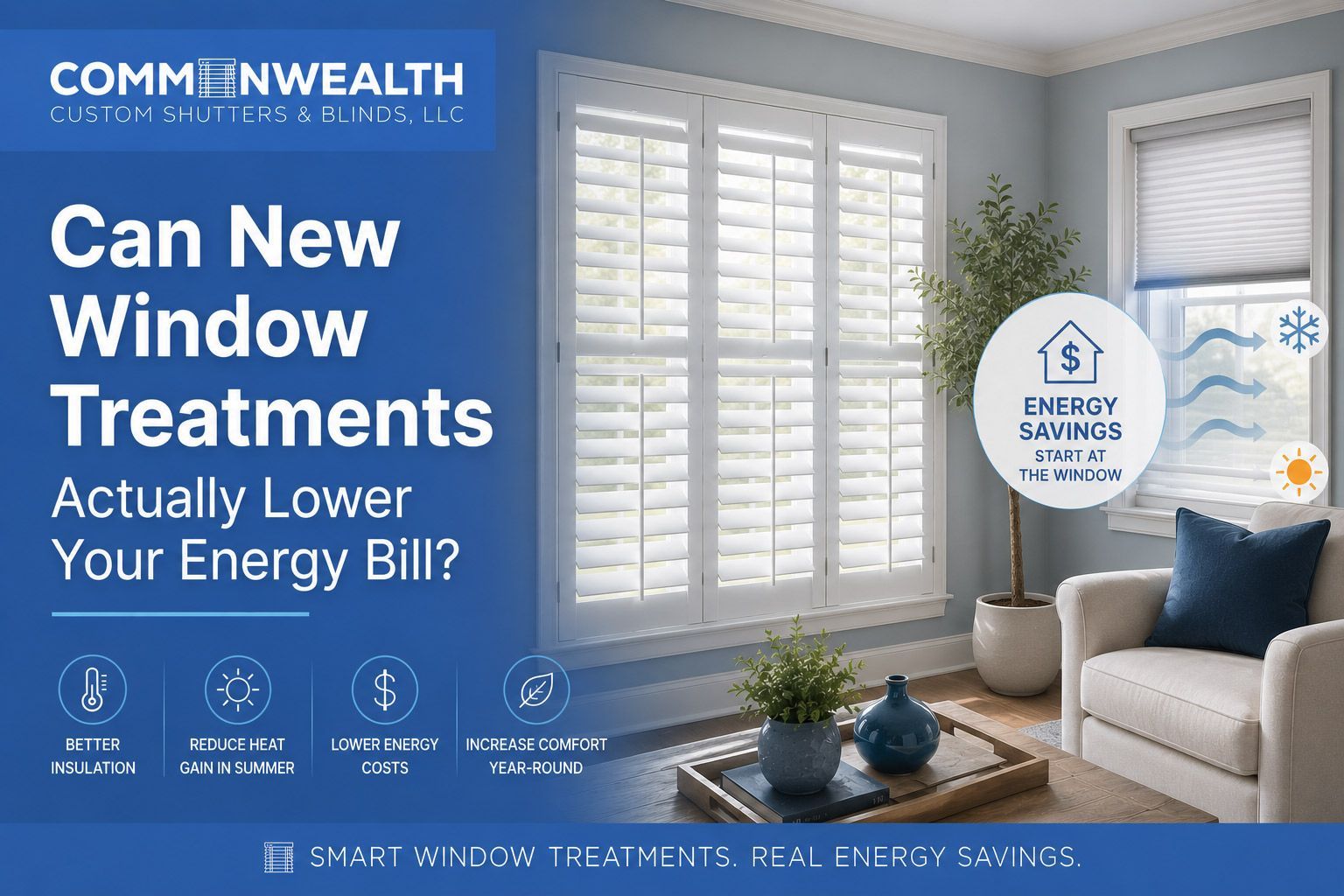
Windows account for 25 to 30 percent of a home's heating and cooling energy loss, according to the U.S. Department of Energy. For homeowners in Lexington, KY, where summers arrive hard and winters follow close behind, that number shows up in utility bills every single month.
The right window treatments address this directly — but not all of them do it equally well. This guide explains how energy loss works through a window, which treatments are most effective, how Kentucky's two seasons affect your approach, and which daily habits multiply whatever you install.
How Windows Lose and Gain Energy
Three distinct mechanisms drive energy transfer through a window. Understanding each one explains why some window treatments perform so much better than others.
- Conduction — heat moving directly through the glass from the warmer side to the cooler side. On a cold January night in Lexington, KY, warm interior air continuously loses heat to cold glass, which radiates it outside.
- Radiation — infrared energy from sunlight passing through glass and warming interior surfaces regardless of outdoor temperature. In a Kentucky home during summer, this solar gain forces air conditioners to work significantly harder than outdoor air temperature alone would require.
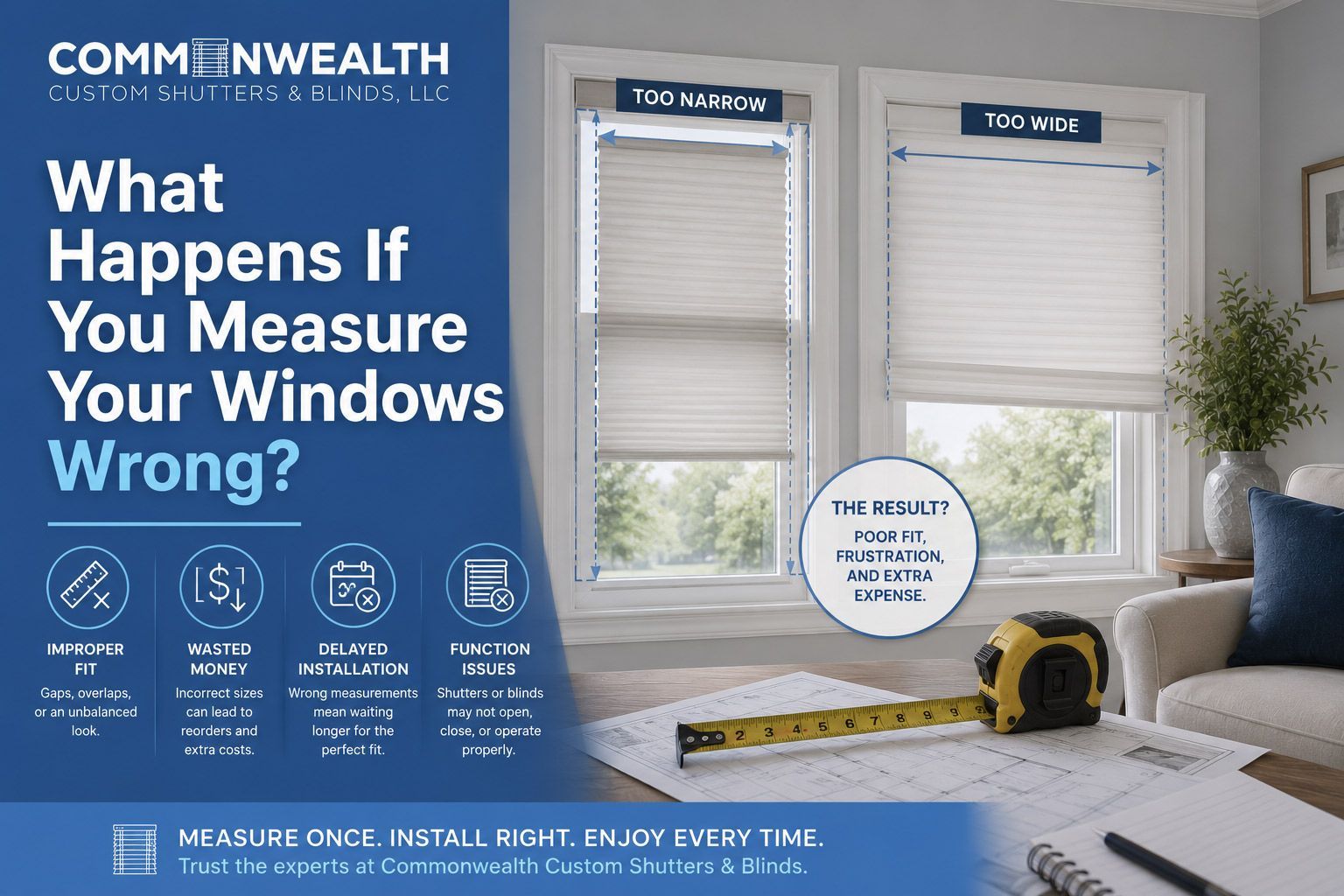
- Air infiltration — drafts moving through gaps at the frame, sash, and window edges. Tightly fitted treatments reduce this movement; loosely fitted treatments leave these gaps uncovered and ineffective.
Which Window Treatments Provide the Best Insulation in Lexington, KY
Not all window coverings perform equally when it comes to energy. Here is how the four main product categories stack up for homes in Lexington, KY, where both summer heat gain and winter heat loss are real concerns.
Honeycomb (Cellular) Shades
Cellular shades are the most energy-efficient window treatment available. Their hollow, air-trapping cells — available in single, double, or triple configurations — act as insulating chambers between the glass and the room. Double and triple-cell versions can reduce heat loss through windows by up to 40 percent compared to bare glass. For Lexington, KY homes with many windows, the heating savings across a full winter are meaningful.
Plantation Shutters
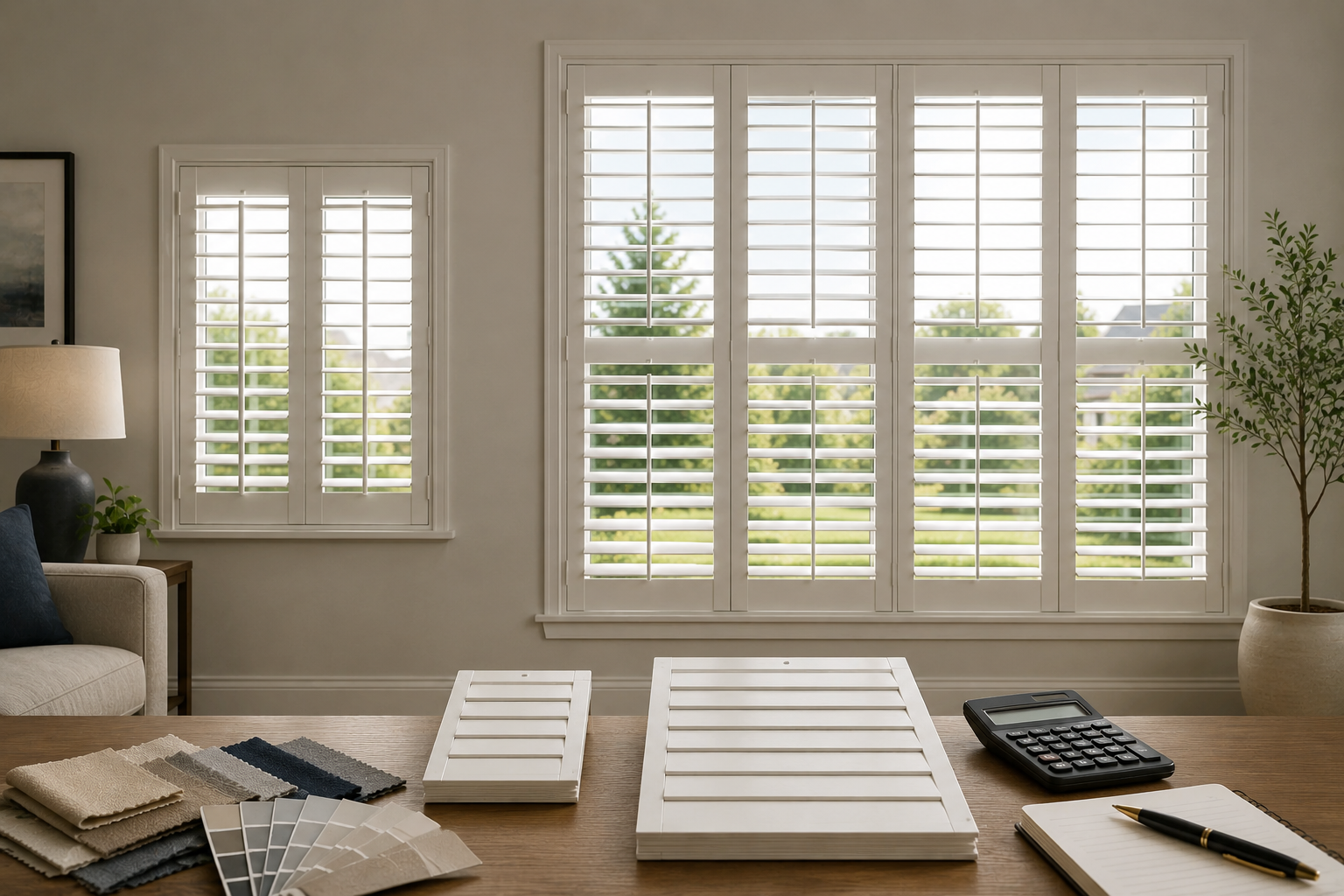
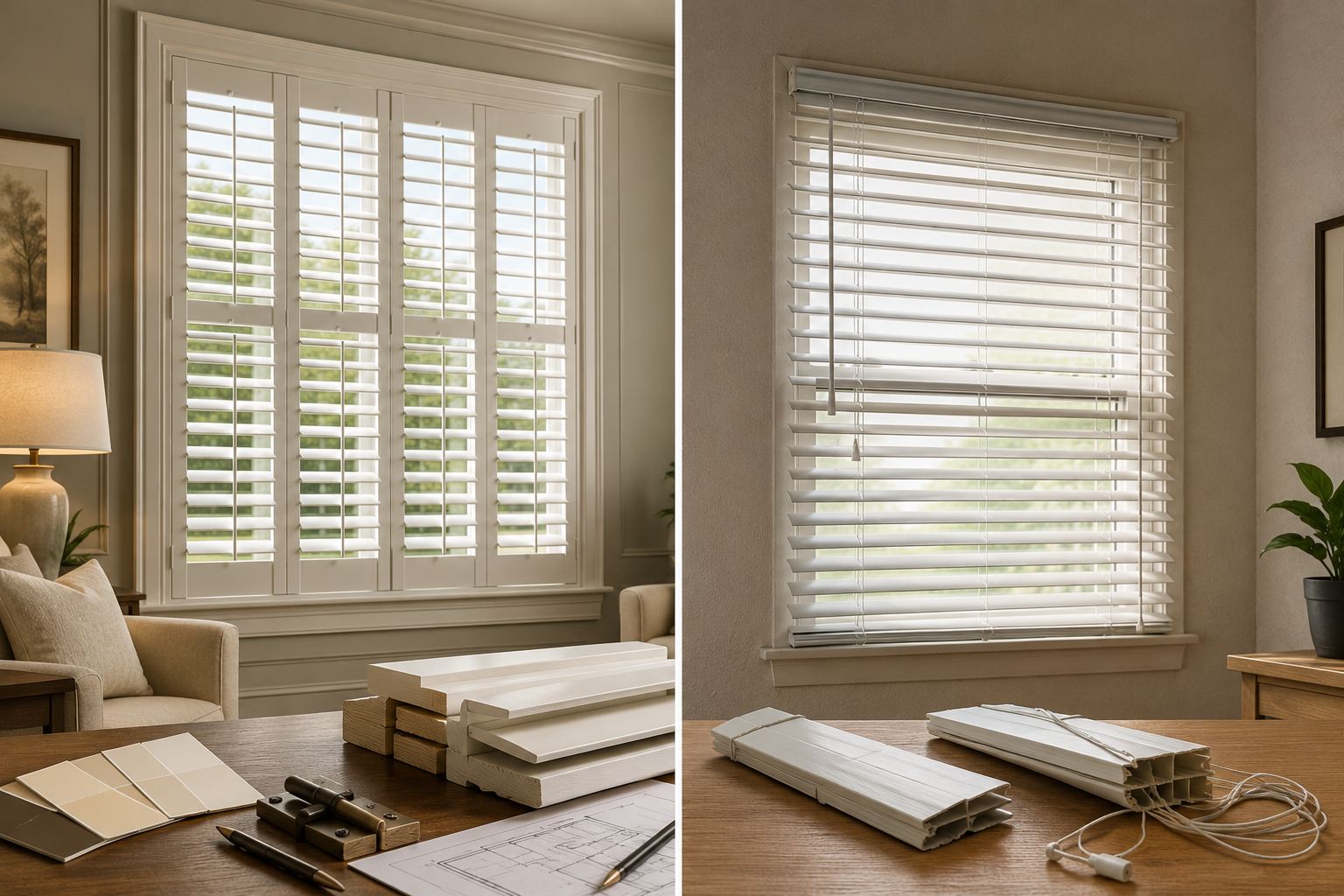
Plantation shutters create a rigid air gap between the panel and the glass. That trapped layer slows conductive heat loss in winter and radiant heat gain in summer. Unlike fabric treatments that sag or gap over time, properly installed shutters maintain their coverage and seal for decades. For homes with large, custom-shaped, or high windows where shades are difficult to fit precisely, shutters often deliver better real-world insulation because the fit stays true.
Roller Shades with Thermal Backing
Roller shades fitted with a thermal or blackout backing add a meaningful layer of resistance to solar heat gain. They perform particularly well during Kentucky summers when the priority is keeping afternoon sun off interior surfaces. Their winter insulation value is more limited than cellular shades, but as a warm-season tool, a well-chosen thermal shade reduces cooling load noticeably.
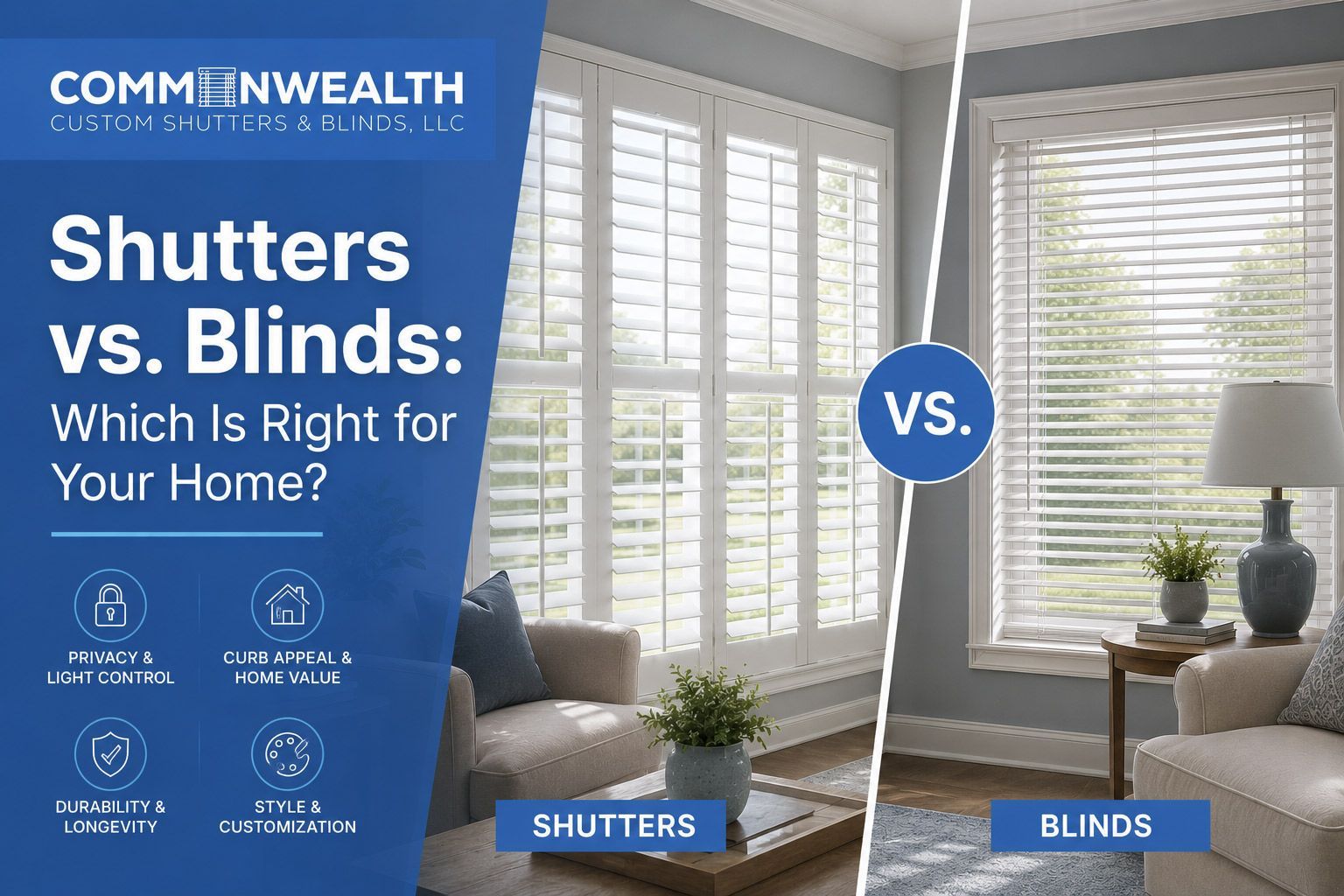
Standard Horizontal Blinds
Standard horizontal blinds are the weakest performer in this category. Their slat construction allows air to move freely through the window area, and even fully closed, the gaps between slats provide minimal resistance to heat transfer. For any homeowner in Lexington, KY concerned about energy performance, blinds alone should not be the primary strategy.
Summer vs. Winter Performance in Kentucky
The energy benefit of window treatments works differently across Kentucky's two demanding seasons, and the best approach accounts for both.
Summer: Blocking Solar Heat Gain
The priority in summer is preventing afternoon sun from heating interior surfaces and forcing the air conditioner to work harder. Treatments with a light-colored or reflective surface facing the glass redirect solar radiation back out rather than absorbing it. Closing south- and west-facing treatments during peak afternoon hours — typically noon through early evening — makes a measurable difference in how hard the AC has to run.
Winter: Retaining Interior Heat
In winter, the priority flips to keeping warm air inside. Cellular shades, fitted shutters, and any treatment that creates a sealed air barrier slow the rate at which warm interior air loses heat to cold glass. Keeping treatments closed after sundown and on overcast days in Lexington, KY significantly reduces furnace run time. Opening them on clear mornings to capture passive solar gain extends that benefit further.
Usage Habits That Maximize Energy Savings
Even the best window treatment only performs as well as the habits built around it. The following practices consistently deliver the greatest energy return on any window treatment investment in a Lexington, KY home.
- Close south- and west-facing treatments during peak afternoon sun hours in summer — typically noon through early evening.
- Open those same treatments on clear winter mornings to allow passive solar gain to warm interior surfaces naturally.
- Keep all treatments closed after dark in winter, particularly on north-facing windows, to minimize overnight heat loss.
- Ensure treatments are fitted as tightly as possible to the window frame to close the air infiltration gaps that undermine insulation.
- Use motorized treatments to automate optimal positioning throughout the day, removing the reliance on manual habit.
Frequently Asked Questions
How much can I realistically save on my energy bill?
A: Savings depend on home size, window count, the product installed, and how consistently it is used. Well-fitted cellular shades or plantation shutters can reduce window-related energy loss by 20 to 40 percent. The annual dollar value varies by home but tends to be modest per window and meaningful across a whole house.
Do energy-efficient window treatments qualify for tax credits?
A: Some have qualified under federal home improvement tax credit provisions. Tax law changes frequently, so confirm current eligibility with a tax professional before making purchasing decisions based on credit availability.
Are solar shades the same as energy-efficient shades?
A: Not exactly. Solar shades reduce glare and UV transmission while preserving an outward view, but they provide limited insulation value. They are a strong warm-season tool for reducing solar heat gain but are not effective for winter heat retention.
Does treatment color affect energy performance?
A: Yes. Light-colored treatments on the window-facing side reflect more solar radiation in summer. Darker treatments absorb more heat, which can benefit passive solar strategies in winter but increases cooling load in summer. Medium tones offer the most balanced year-round performance.
Should I upgrade window treatments or replace the windows themselves?
A: Window replacement delivers meaningful energy improvements at a substantially higher cost. For most homeowners, energy-efficient window treatments are the right first step — delivering real gains at a fraction of the investment, with window replacement reserved for windows that are failing structurally.
Conclusion
The right window treatments, properly fitted and used consistently, will reduce your energy costs in ways that compound across every season for as long as the product is installed. Honeycomb shades lead the insulation category. Plantation shutters excel for difficult or large windows. Thermal-backed roller shades are a strong warm-season tool. Commonwealth Custom Shutters & Blinds helps homeowners throughout Lexington, KY identify which products deliver the best combination of energy performance and value for their specific windows. A free in-home consultation is the best place to start.