When Should I Replace Window Treatments?
March 29, 2026
Introduction: Recognizing the Right Time to Upgrade
Window treatments are not permanent fixtures, even if they are built to last. Over time, materials wear down, styles shift, and performance declines. The challenge for many homeowners in Lexington, KY is knowing when replacement makes more sense than repair.
If you are noticing operational issues, fading, or outdated appearance, it may be time to evaluate whether your current blinds, shades, or shutters are still serving your home properly. Below is a clear guide to help you determine when replacement is the smarter long-term decision.
Visible Signs It Is Time to Replace
Certain issues are easy to see and often indicate that window treatments are nearing the end of their lifespan. The following signs typically suggest replacement is worth considering.
- Warped or cracked slats
- Fading from sun exposure
- Fraying fabric edges
- Discoloration or yellowing
- Broken tilt mechanisms
- Uneven closing or lifting
In Lexington homes that receive strong afternoon sun, fading and warping can appear sooner, especially with lower-grade materials.
Performance Problems That Signal Replacement
Some issues are not cosmetic but functional. When window treatments stop performing as intended, replacement may be more cost-effective than ongoing repairs.
Light Control Is No Longer Effective
If blinds no longer close fully or shades allow excessive light leakage, privacy and comfort are compromised.
Energy Efficiency Has Declined
Older single-layer treatments may not provide insulation during Kentucky winters or block heat during humid summers.
Frequent Mechanical Failures
Repeated repairs for lift cords, tilt rods, or motorized systems often signal that components are wearing out.
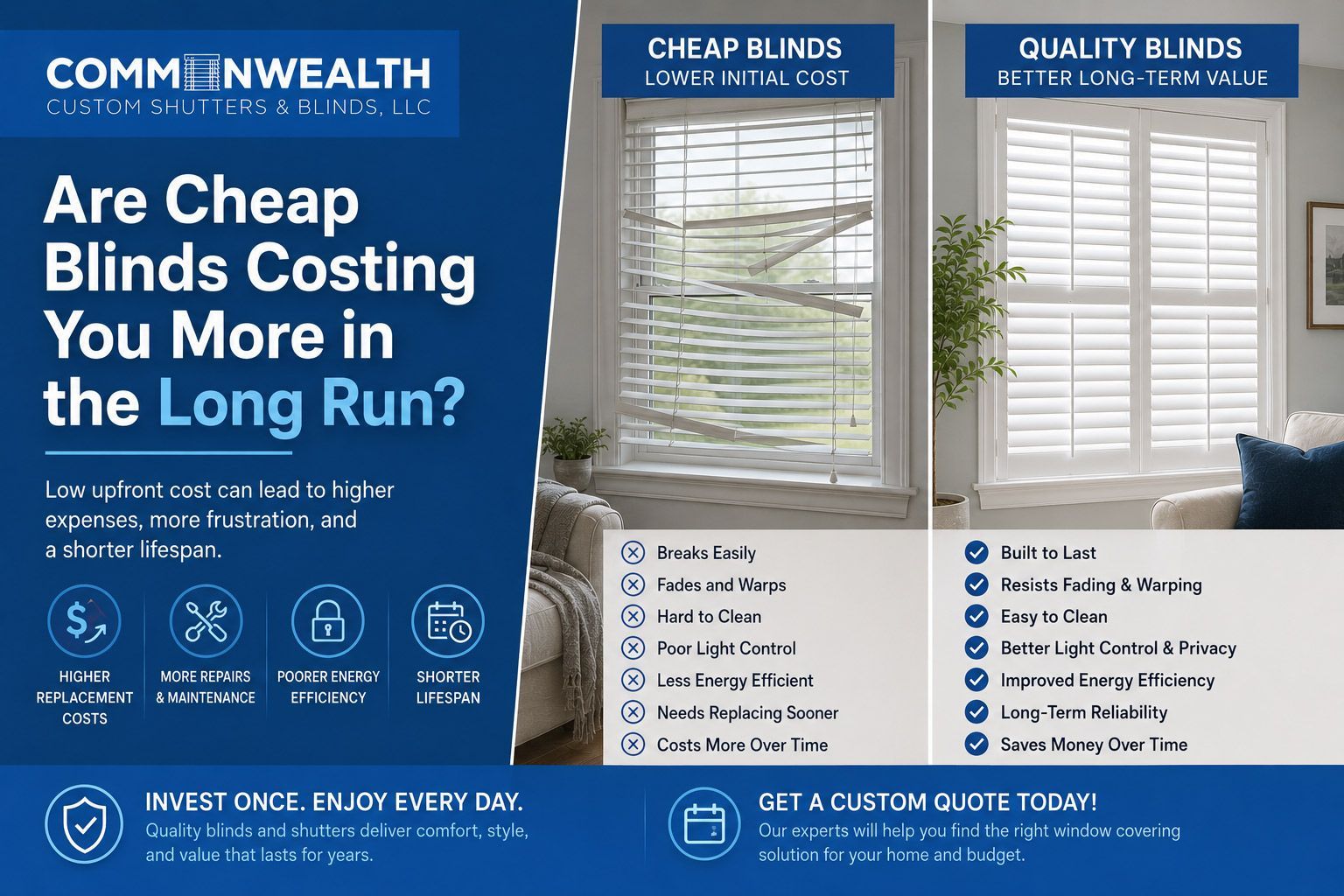
When repairs become frequent or costly, replacement may provide better long-term value.
Age as a Deciding Factor
Even high-quality window treatments have a lifespan. While durability varies by product type, age alone can guide your decision.
- Basic vinyl blinds often last 5 to 8 years.
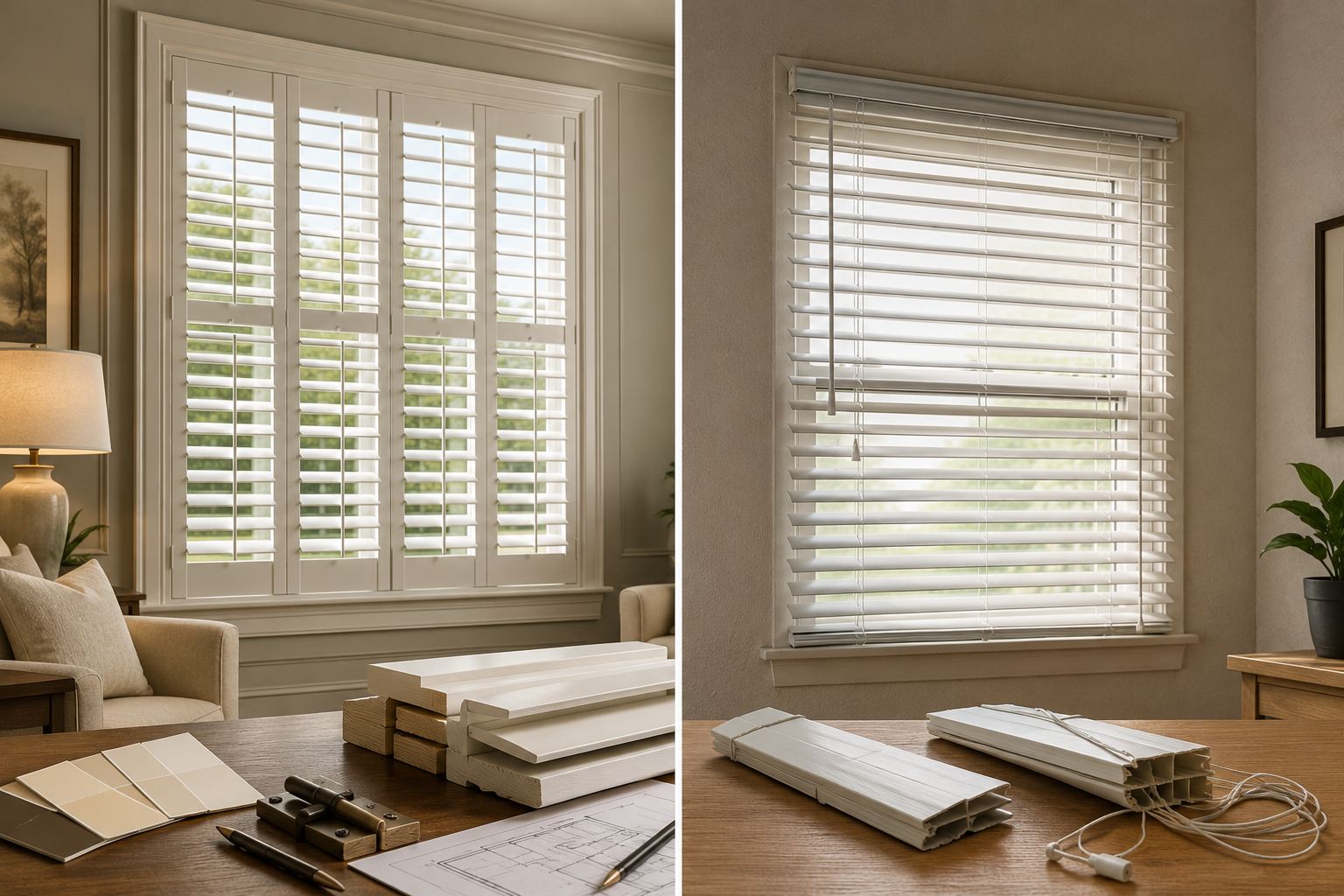
- Faux wood and composite blinds typically last 8 to 12 years.
- Quality shutters can last 15 to 25 years or longer.
- Motorized systems may require updates sooner due to technology changes.
If your treatments are approaching or exceeding these ranges, evaluating replacement is reasonable.
Style and Home Value Considerations
Window treatments influence the overall look of your interior. Even if they function properly, outdated styles can affect resale appeal.
Replacement may be beneficial when:
- You are renovating or remodeling
- You are preparing to sell your Lexington home
- Your décor has significantly changed
- Your current treatments no longer match trim or flooring updates
Modern, well-fitted treatments often create a cleaner and more cohesive appearance.
Repair vs Replacement: A Simple Decision Guide
When deciding whether to repair or replace, walk through the following steps.
- Identify the Problem
Determine whether the issue is cosmetic, mechanical, or structural. - Evaluate Repair Cost
Compare repair pricing to the cost of full replacement. - Consider Product Age
If treatments are near the end of their lifespan, replacement may be wiser. - Assess Long-Term Goals
Think about durability, insulation, and resale value.
If repair costs approach half the price of replacement, upgrading is often the better financial choice.
Situations Where Replacement Is Strongly Recommended
Certain circumstances make replacement the most practical option.
Replacement is typically recommended when:
- Multiple components are failing
- Warping affects alignment
- Mold or moisture damage is present
- Motorization systems are outdated
- The product no longer fits properly after renovations
In Lexington’s humid climate, moisture exposure in kitchens or bathrooms can accelerate material breakdown.
Upgrading for Energy Efficiency
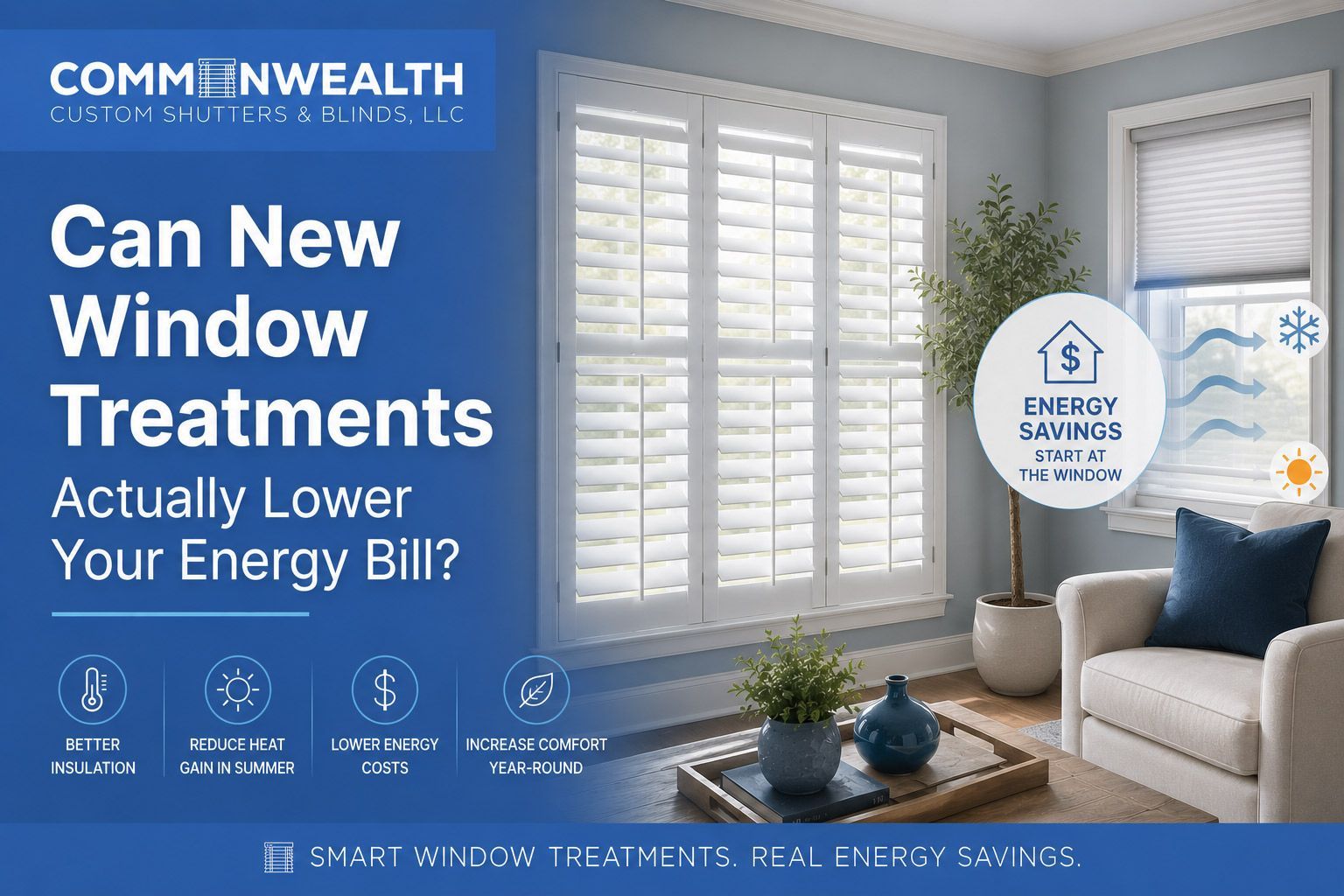
Older window treatments may lack insulation features now available in modern designs. Newer options offer improvements such as:
- Double-cell cellular construction
- UV-blocking materials
- Tighter fit to reduce air gaps
- Improved sealing for shutters
Replacing outdated coverings can improve indoor comfort and reduce strain on heating and cooling systems.
Frequently Asked Questions
How often should window treatments be replaced?
Most blinds and shades last 7 to 12 years, while quality shutters may last much longer.
Can damaged blinds be repaired instead of replaced?
Minor issues can often be repaired, but widespread damage usually makes replacement more practical.
Does replacing window treatments increase home value?
Updated window treatments can enhance visual appeal and make interiors feel more finished.
Are motorized blinds worth replacing if they still work?
If technology is outdated or unreliable, upgrading may improve convenience and reliability.
What is the most durable window treatment option?
Plantation shutters are generally among the most durable long-term solutions.
Conclusion
Knowing when to replace window treatments comes down to condition, performance, age, and long-term goals. In Lexington, KY, climate, sunlight exposure, and home design all influence how long blinds, shades, or shutters will last.
If your current treatments show visible wear, fail to provide proper light control, or no longer match your home’s style, replacement may offer better value than repair. Commonwealth Shutters and Blinds, LLC works with homeowners throughout Lexington to evaluate existing treatments and recommend upgrades that balance durability, comfort, and design.