Why Do Custom Shutters Cost More Than Store-Bought Blinds?
September 4, 2026
The Price Gap Is Not Just Branding
Walk into any home improvement store and you will find blinds priced far below what a custom shutter quote runs. It is tempting to assume the difference is just markup, but the price gap reflects real differences in materials, manufacturing, and fit.
For homeowners in Lexington, KY comparing options for the first time, understanding what drives that price difference makes it much easier to decide where to spend and where to save.
It also helps to think about the purchase in terms of what each product is actually built to do. A blind is designed to be an affordable, replaceable accessory, while a shutter is designed to function as a permanent architectural feature of the home, and that difference in purpose shows up throughout the entire pricing structure.
Once you understand that distinction, the rest of the pricing conversation becomes much easier to follow, because every added cost traces back to either materials, precision fit, or professional labor.
What You Are Really Paying For
Store-bought blinds are manufactured in bulk, in a limited set of standard sizes, and shipped ready to trim down at home. That production model keeps costs low, but it also means the fit, materials, and hardware are generic by design.
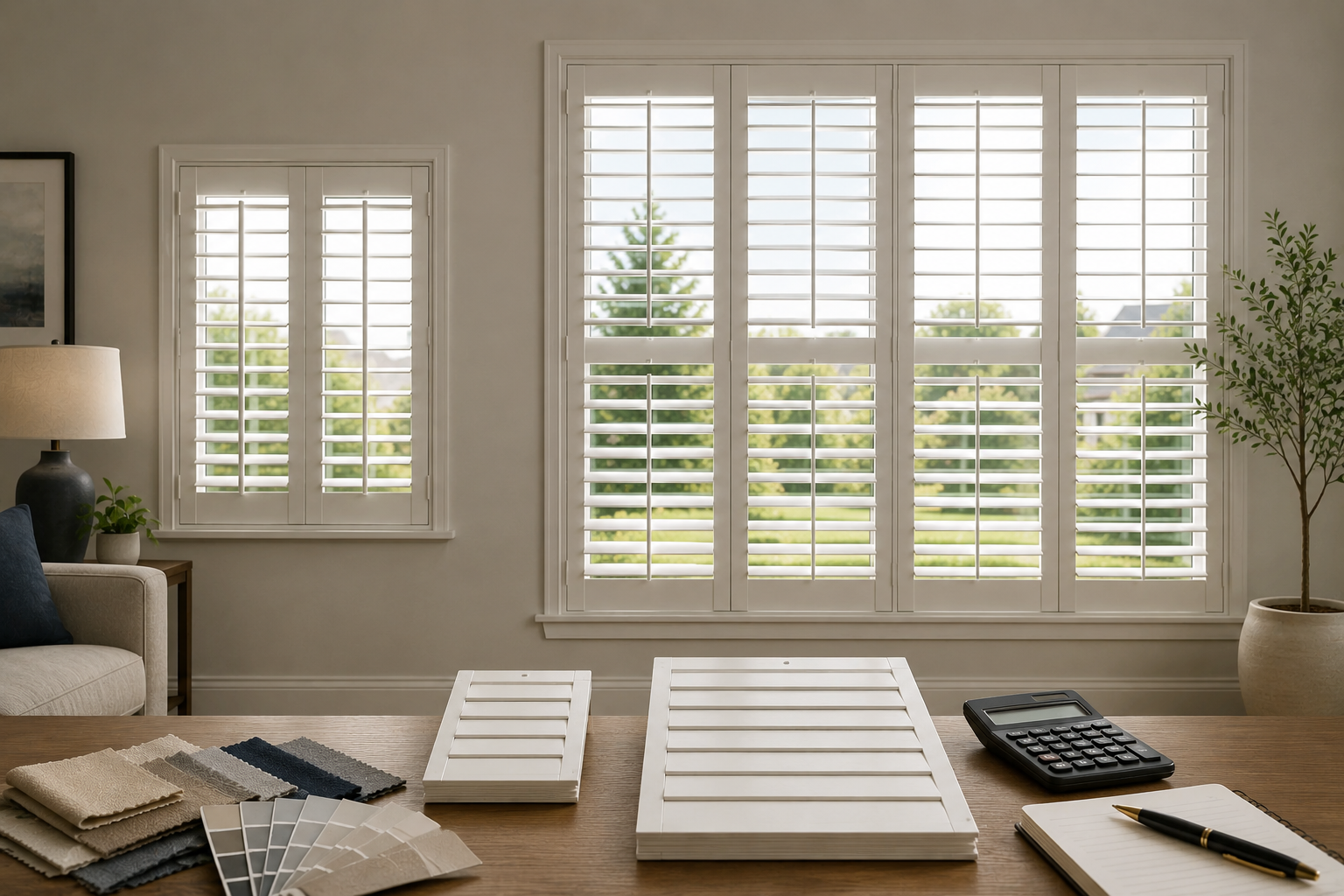
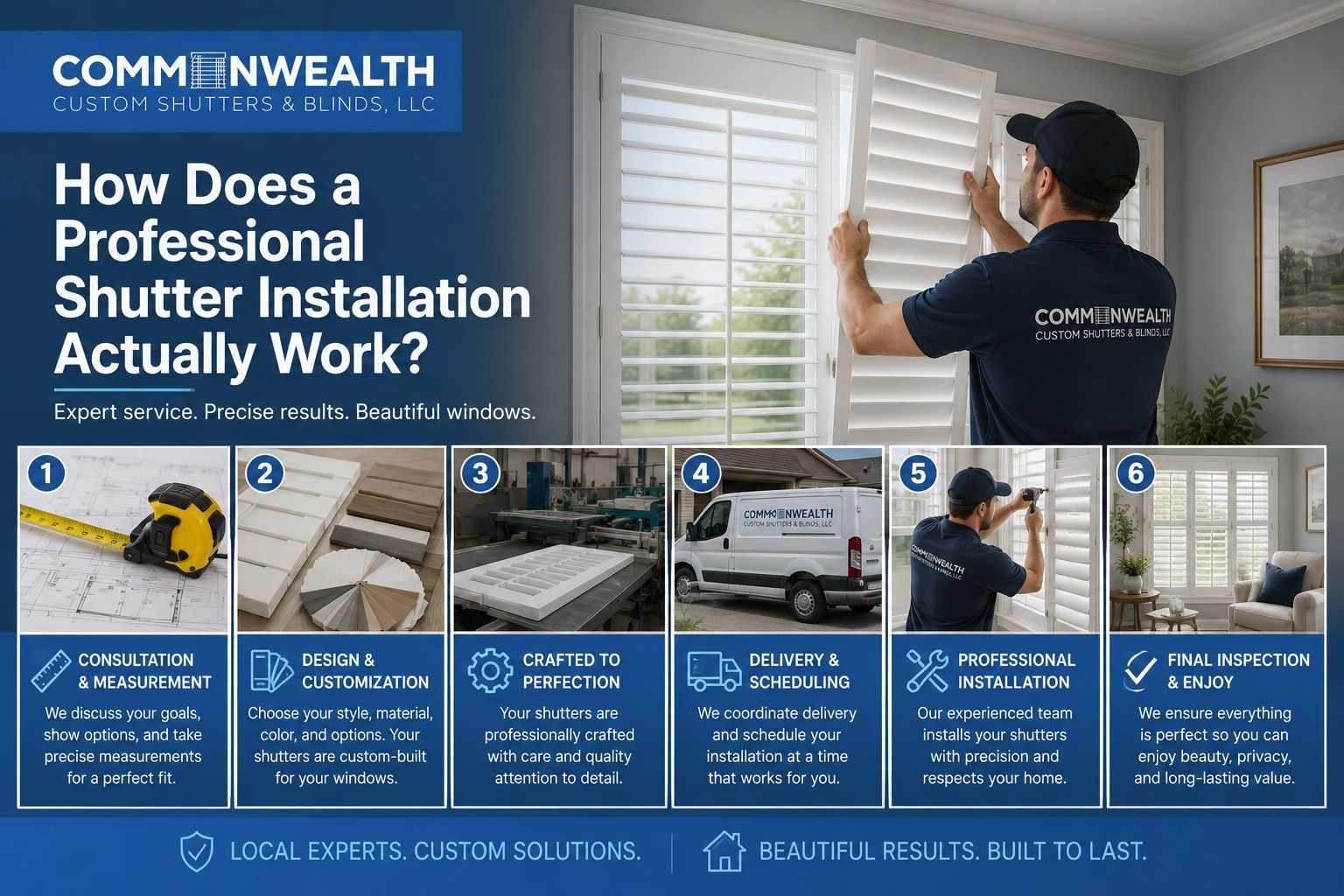
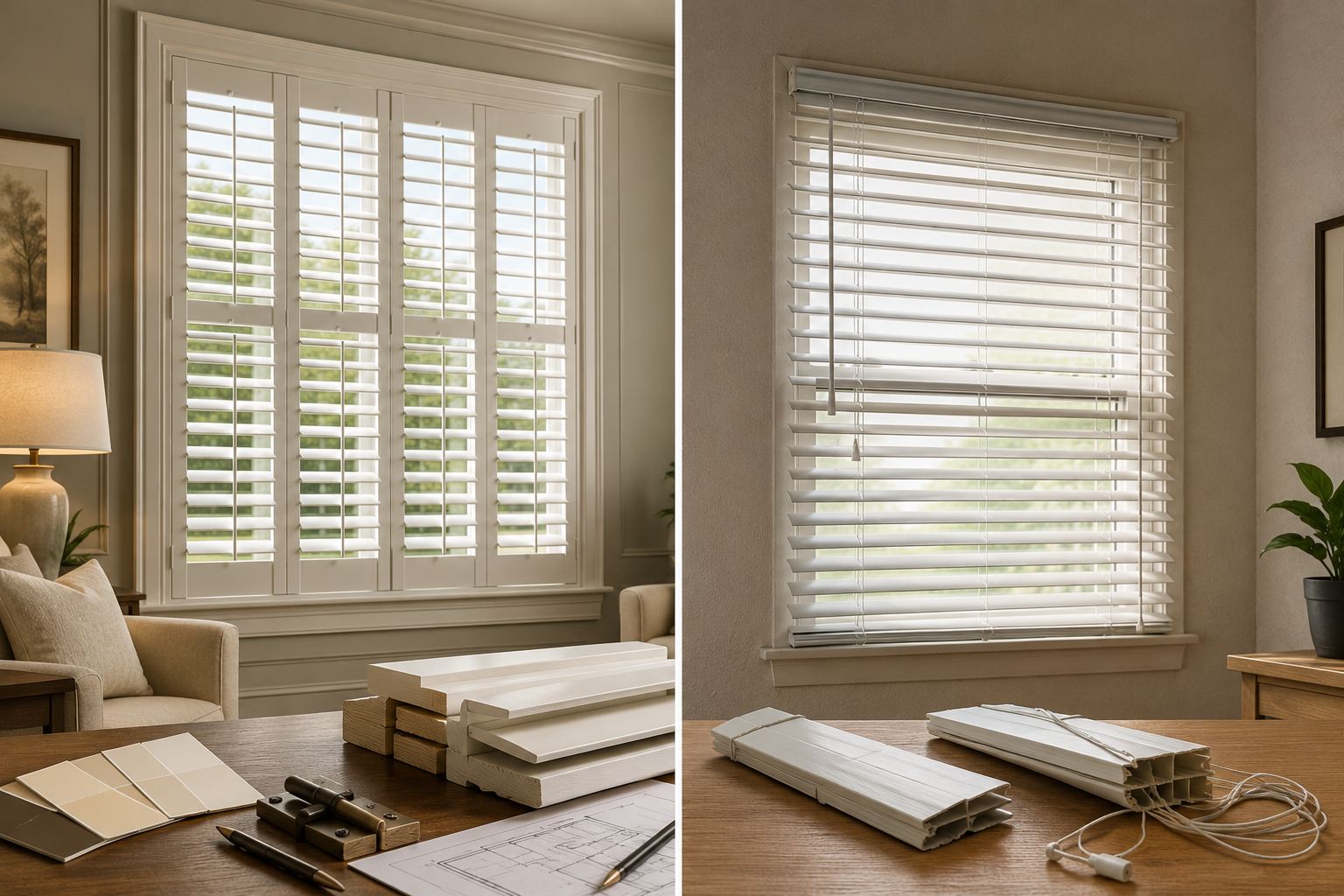
Custom shutters, by contrast, are built to the exact dimensions of each window after a professional measurement. Every panel, hinge, and louver is sized for a specific opening, which changes the entire cost structure from raw materials to labor.
That shift from a mass-produced item to a made-to-order product also changes the timeline. Blinds can be purchased and installed the same day, while shutters typically involve a measurement visit, a fabrication period, and a scheduled installation appointment, all of which are built into the overall value of the finished product.
None of this is meant to suggest blinds are a poor choice. For many rooms and budgets, they remain a perfectly practical option. The point is simply that the price difference reflects a genuinely different product and process, not an arbitrary markup.
Materials and Craftsmanship
Several material and construction factors separate custom shutters from mass-produced blinds, and each one adds a real cost at the manufacturing stage.
- Solid hardwood or engineered composite panels versus thin vinyl or aluminum slats
- Hand-fitted louvers and frames built for a single opening rather than a trimmed standard size
- Furniture-grade finishes, stains, and paints applied in multiple coats
- Heavy-duty hinges and mounting hardware rated for decades of daily use
- Reinforced center rails and stiles that keep large panels from warping over time
Custom Measurements and Fit
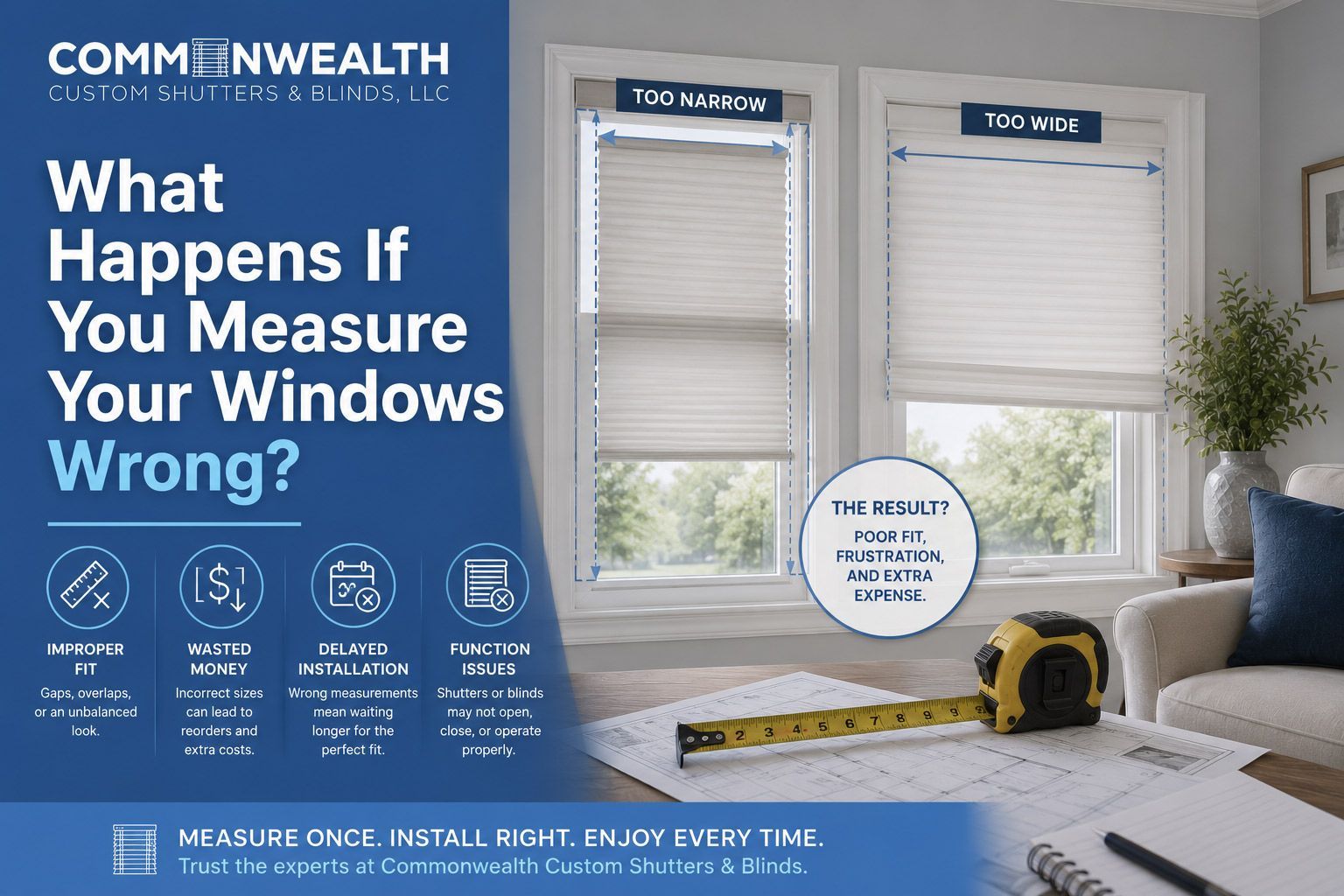
A store-bought blind is measured and trimmed by the homeowner, which leaves room for gaps, uneven edges, and light leaks around the frame. Custom shutters in Lexington, KY are measured on-site by a trained installer who accounts for out-of-square openings, wall depth, and trim details.
That precision is one of the biggest reasons custom shutters cost more. The manufacturer is not building a generic product and hoping it fits closely enough; they are building one unit for one window, and that labor is priced into the final quote.
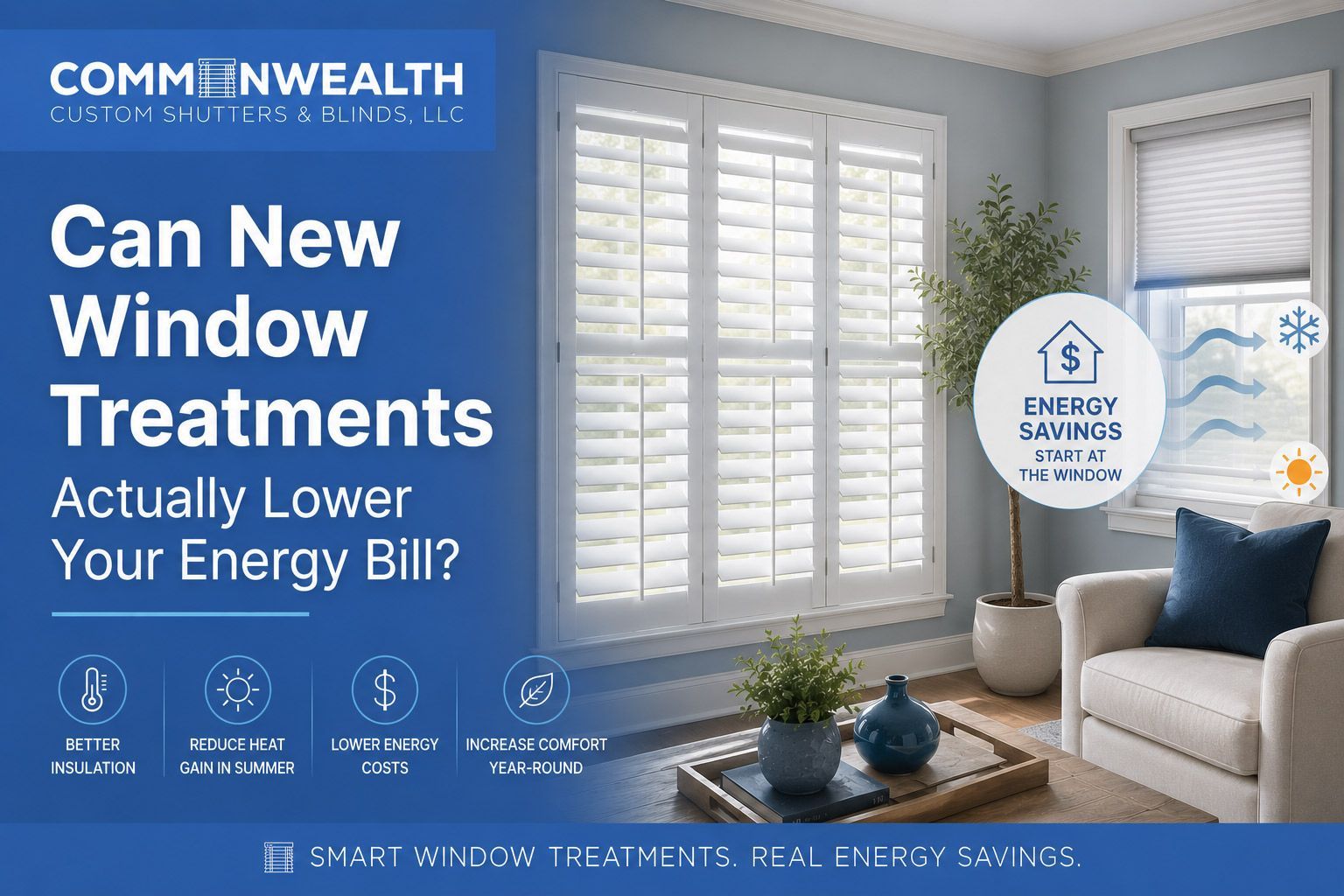
This level of fit also affects how the finished product performs day to day. A tightly fitted shutter blocks more light and drafts than a trimmed blind ever will, which is part of why the higher upfront cost is often viewed as an investment rather than a simple expense.
Homeowners who have lived with both products often describe the difference as night and day once shutters are properly fitted, since even small gaps around a blind can let in noticeable light and noise over time.
Installation and Labor in Lexington, KY
Labor is a bigger share of the total cost with custom shutters than with off-the-shelf blinds, and local installers in Lexington, KY factor in a few region-specific details.
- Professional measurement visit before fabrication begins
- Skilled installation to ensure panels operate smoothly for years
- Adjustments for uneven walls, deep sills, or unusual window shapes common in older Lexington homes
- Warranty-backed workmanship rather than a self-install with no labor guarantee
- Final adjustments and quality checks after mounting to confirm smooth operation
Cost Snapshot: Custom Shutters vs. Store-Bought Blinds in Lexington, KY
The table below summarizes how the two options typically compare across the factors that matter most.
| Factor | Store-Bought Blinds | Custom Shutters |
|---|---|---|
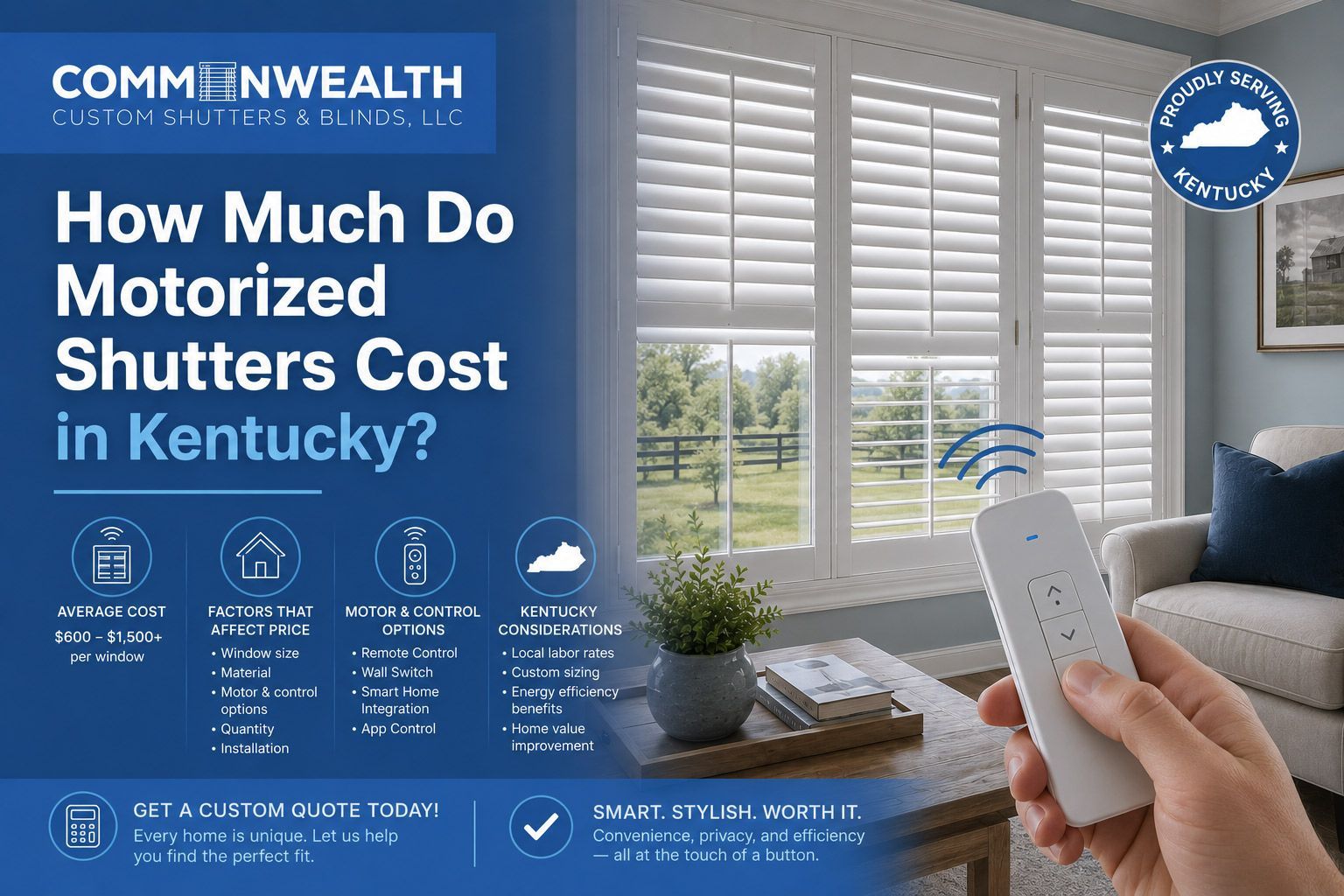
| Average cost per window | $30 to $120 | $250 to $700+ |
| Fit accuracy | Standard sizes, trimmed at home | Built to exact window dimensions |
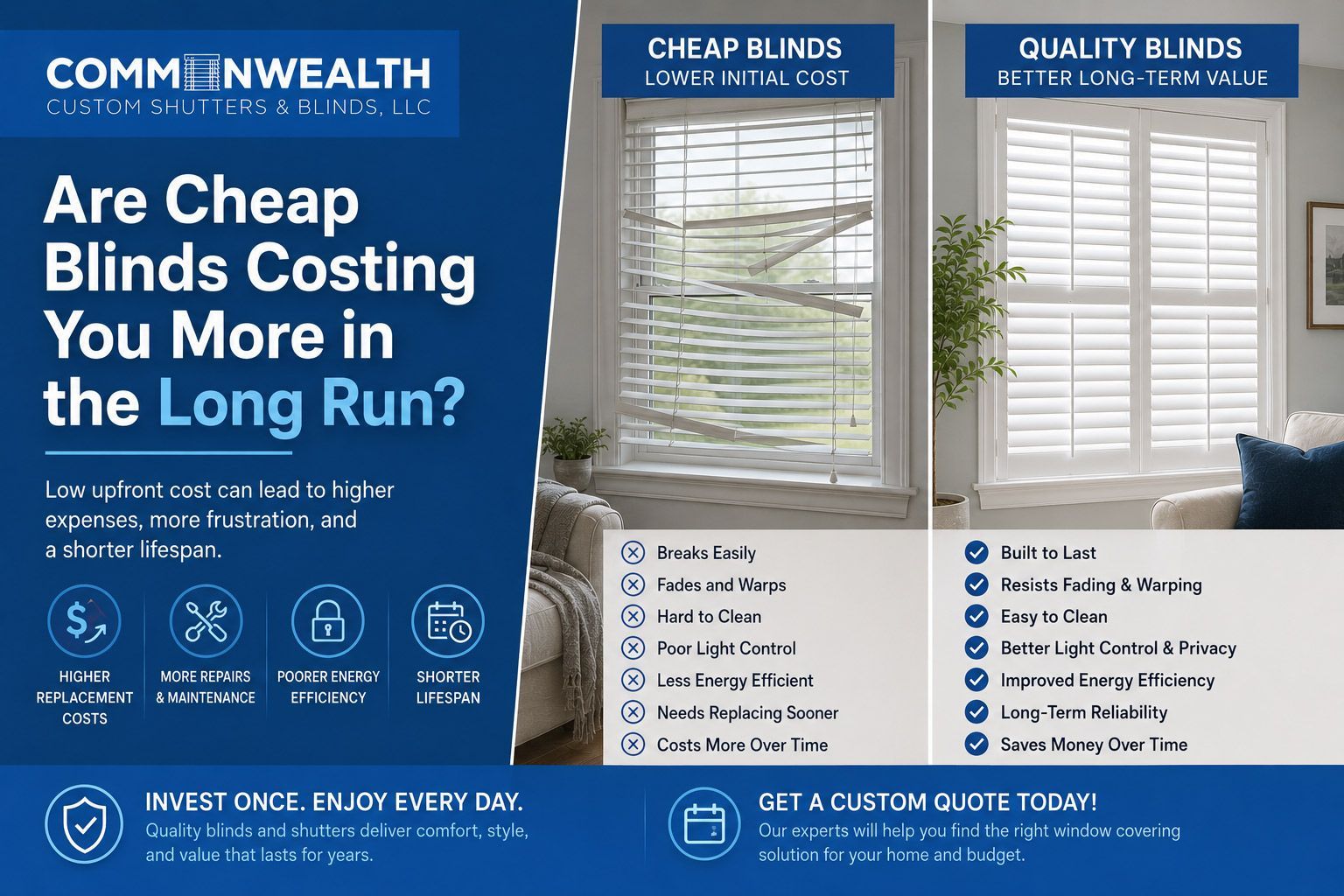
| Expected lifespan | 3 to 7 years | 20 years or more |
| Installation | Self-installed | Professionally installed |
| Impact on home value | Minimal | Considered a permanent upgrade |
Frequently Asked Questions
A few additional questions come up often once the basics of this topic are covered.
Do custom shutters ever cost less than premium blinds?
In some cases, high-end motorized or designer blinds can approach shutter pricing, but standard blinds still come in well below shutters on a per-window basis. Even premium blinds rarely match the durability that justifies shutter pricing over the long run. If longevity matters most to you, shutters typically remain the stronger value.
Is financing available for custom shutter projects?
Many window treatment companies, including local providers, offer payment plans or financing options for larger whole-home projects. This makes it easier to spread the cost of a bigger project over several months. Ask about available terms during your consultation.
Do prices vary significantly between shutter materials?
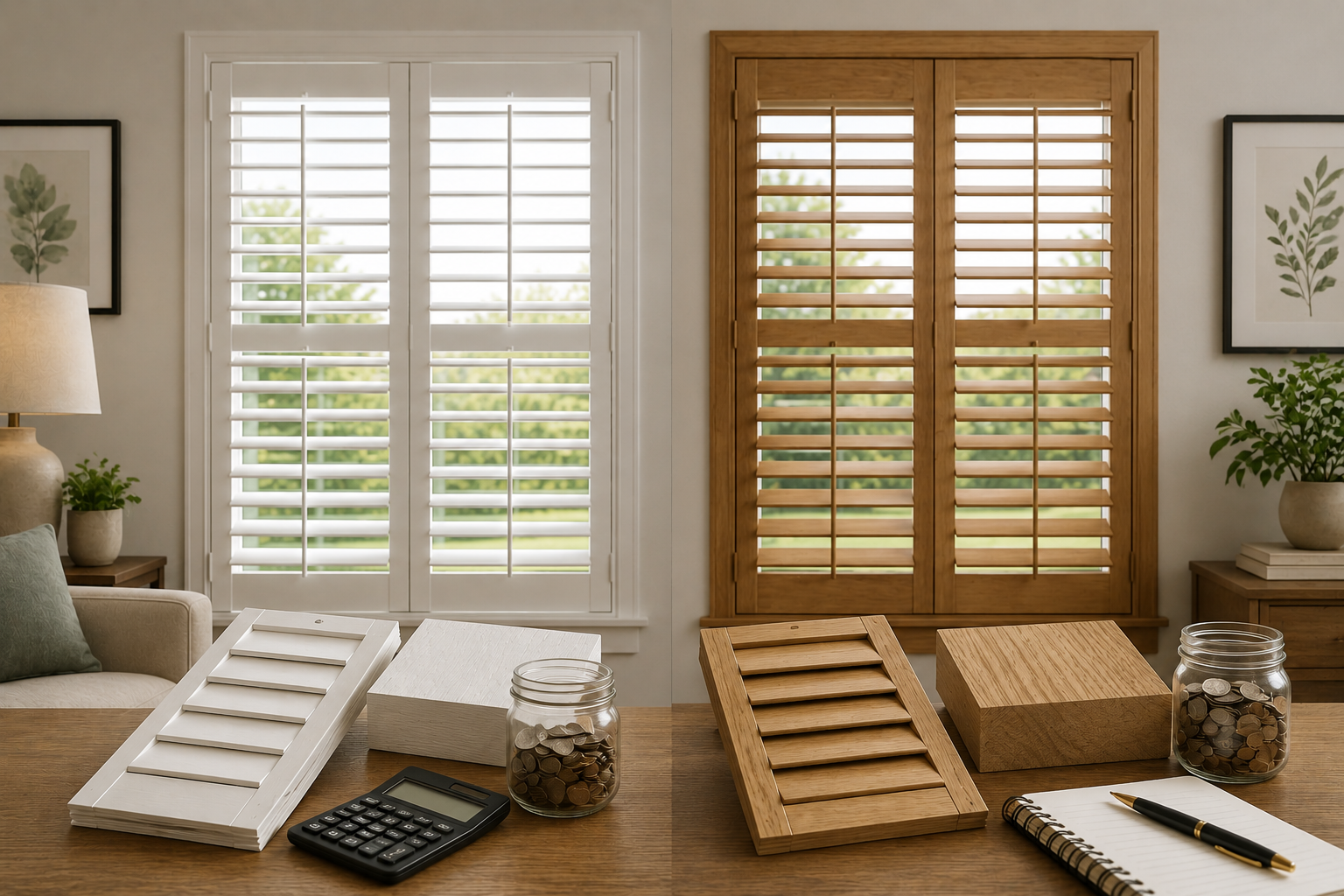
Yes, engineered composite shutters typically cost less than solid hardwood, while still offering strong durability for most homes. Choosing composite over hardwood is one of the simplest ways to manage a shutter budget. The visual difference between the two is often minimal once installed.
Does the cost gap shrink over the life of the product?
Because shutters last far longer than blinds, the effective annual cost often becomes comparable or lower once you factor in replacement cycles. Blinds typically need to be replaced two to four times over the same period a shutter lasts. That replacement cost adds up quickly over a decade or two.
Are there ways to reduce the cost of a custom shutter project?
Bundling multiple rooms into a single order, choosing composite materials, and scheduling during off-peak seasons can all help lower the total investment. Combining these strategies often produces the biggest overall savings. A consultation is the best way to see which options apply to your project.
Conclusion
Custom shutters cost more than store-bought blinds because you are paying for precision fit, durable materials, and professional installation rather than a mass-produced product trimmed at home. For many homeowners, that difference shows up in decades of reliable use rather than a handful of years, which changes how the higher upfront number should really be viewed.
If you are weighing your options for an upcoming project, the team at Commonwealth Shutters and Blinds can walk you through material choices, pricing, and what fits your home and budget best. A short consultation is often all it takes to get a clear, itemized picture of what a custom shutter project would actually cost for your specific windows.